
Welcome to Curious Quill, an original content resource for fantasy roleplaying.
Announcing a change in direction: supporting Dragonbane. I am Moving On from 5e as my primary focus. Most of what is here is designed to be used in any system, but a lot has focused on 5e. For a time at least, I will be adapting my work to Dragonbane. I hope you join me in my journey, and if you play 5e yourself, remember that there is a plethora of info already here, and new stuff will be easily adaptable. So don’t go anywhere.
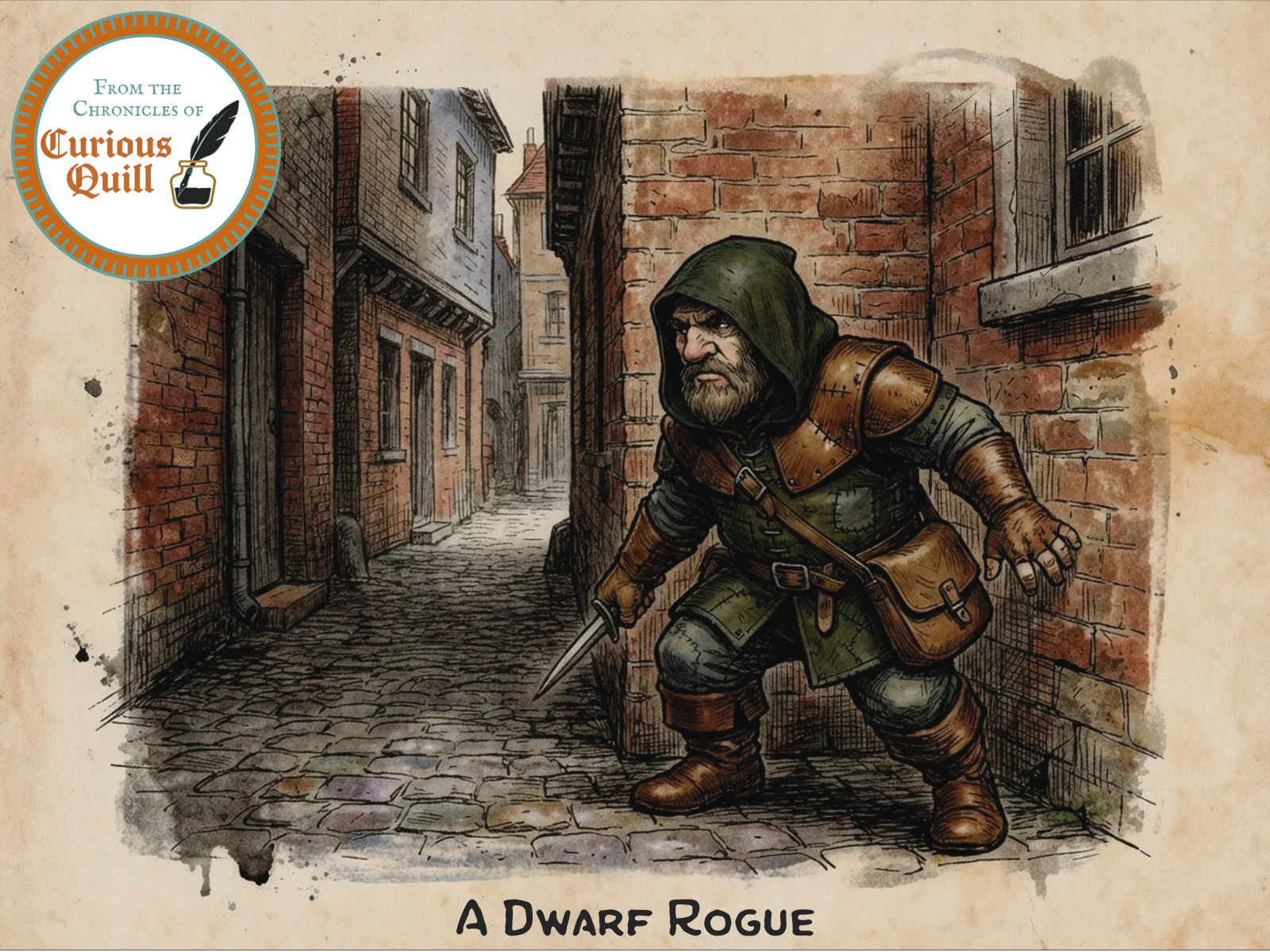
Class Theory: Rogue Concepts
In this feature we will explore what separates a Rogue class character from a common thief or other skilled and stealthy individual.
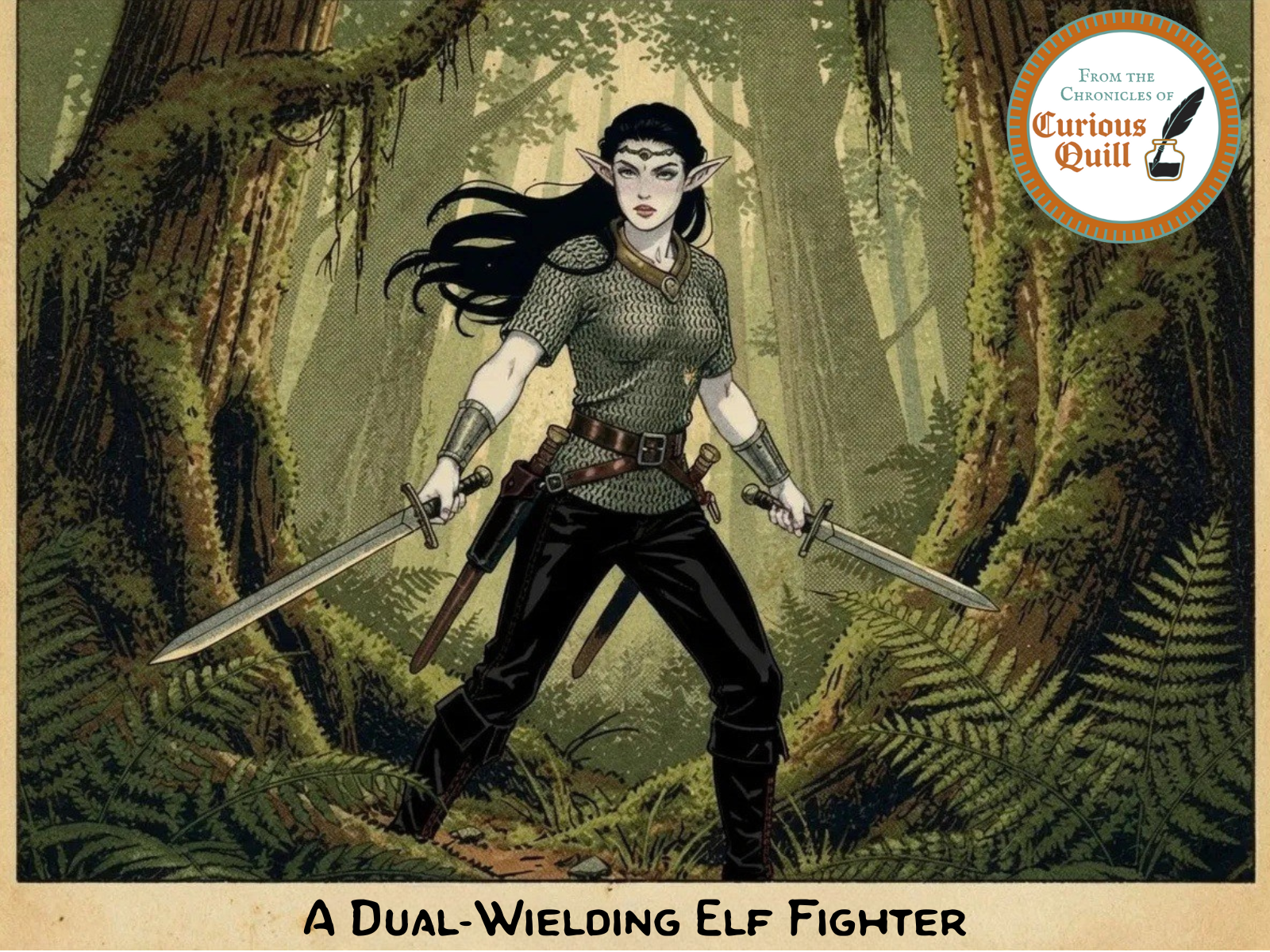
Class Theory: Fighter Concepts
In this feature we will explore what separates a leveled Fighter from a common warrior.

Class Theory: Ranger Concepts
In this feature we will explore what gives the Ranger their primal powers including spells and other class features.
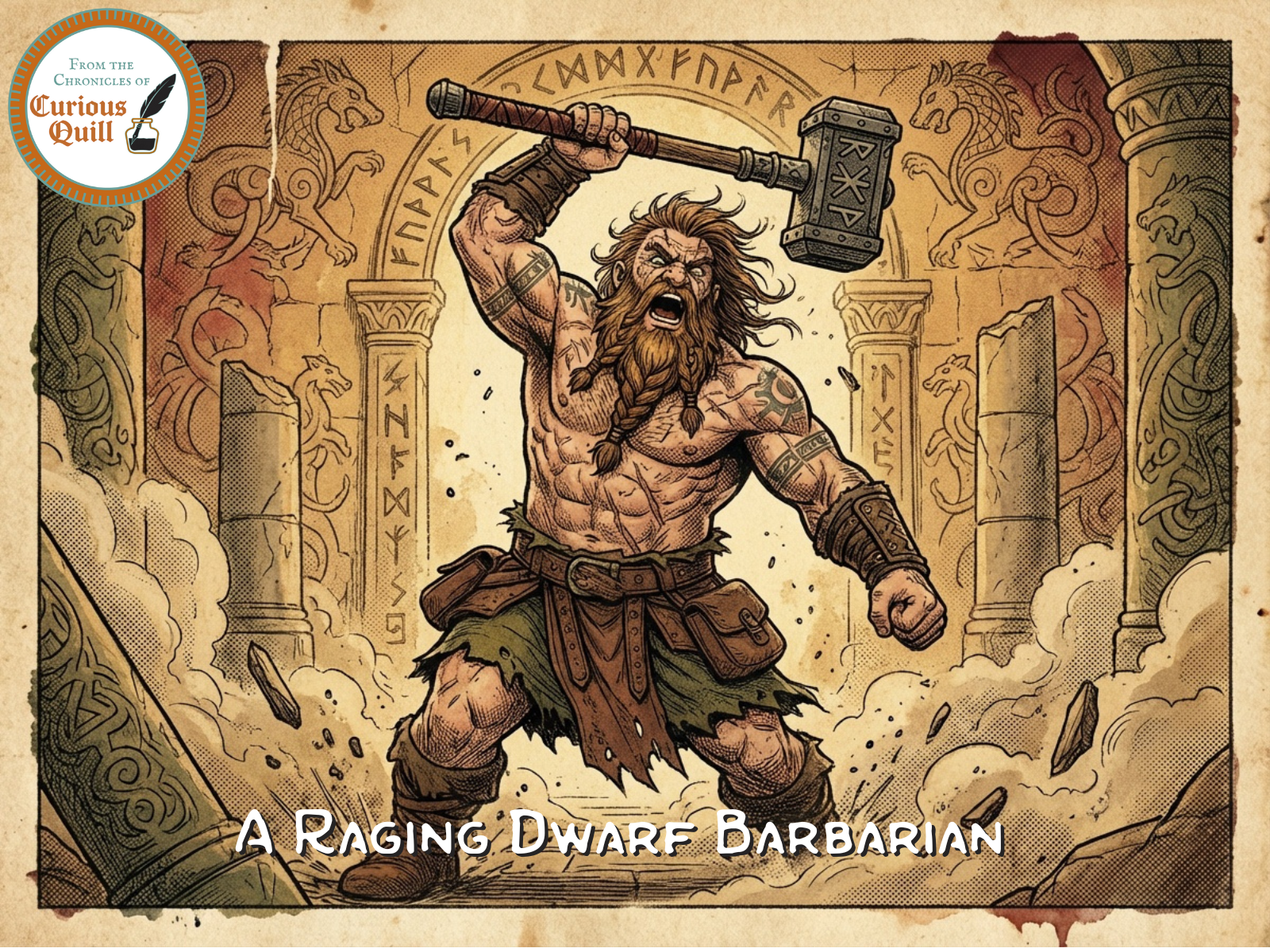
Class Theory: Barbarian Concepts
In this feature we will explore what gives the Barbarian primal powered rage versus just being a frenzied warrior.
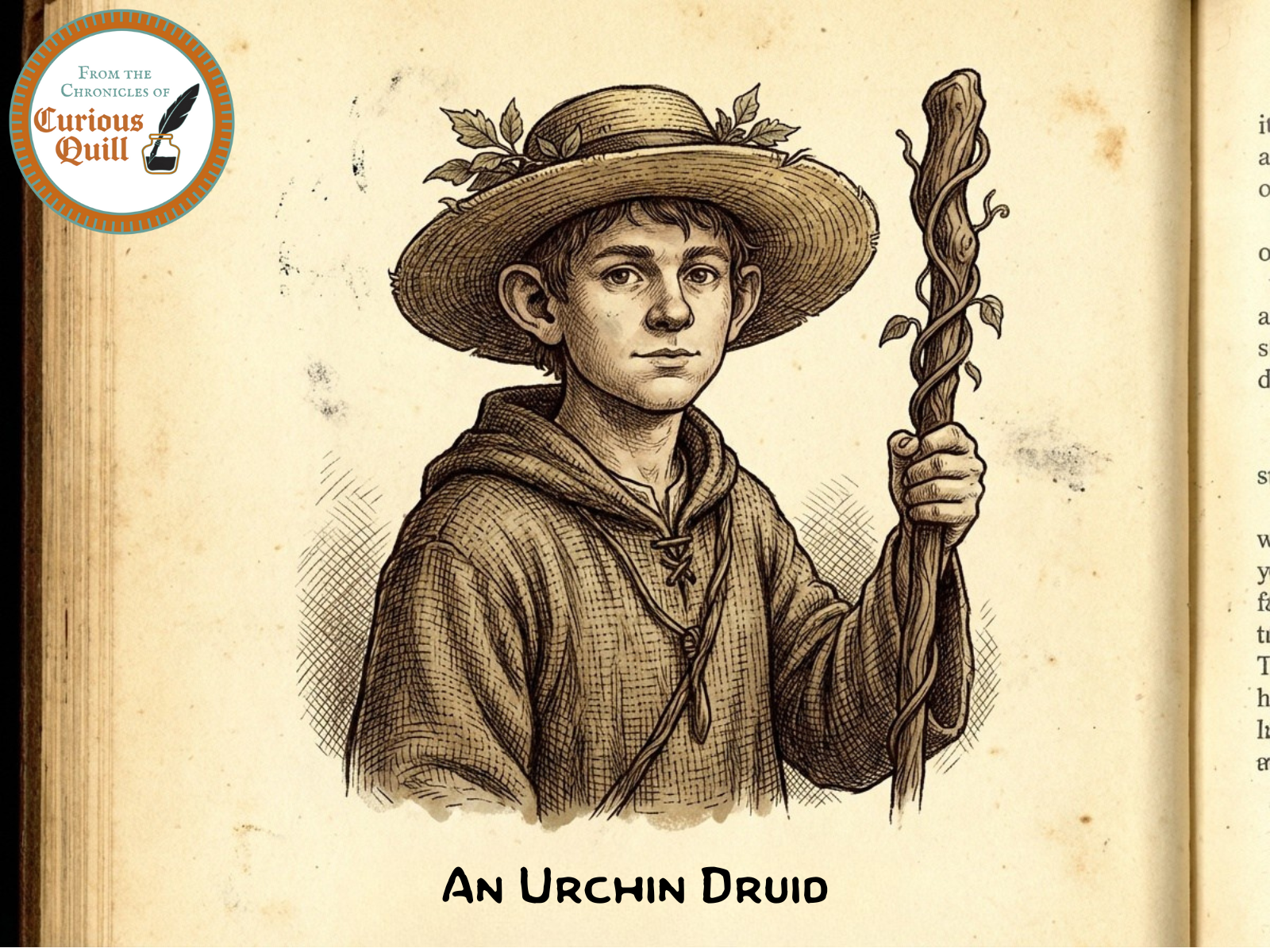
Class Theory: Druid Concepts
In this feature we will explore why a character might gain the ability to call on the mystical, primal forces of nature.
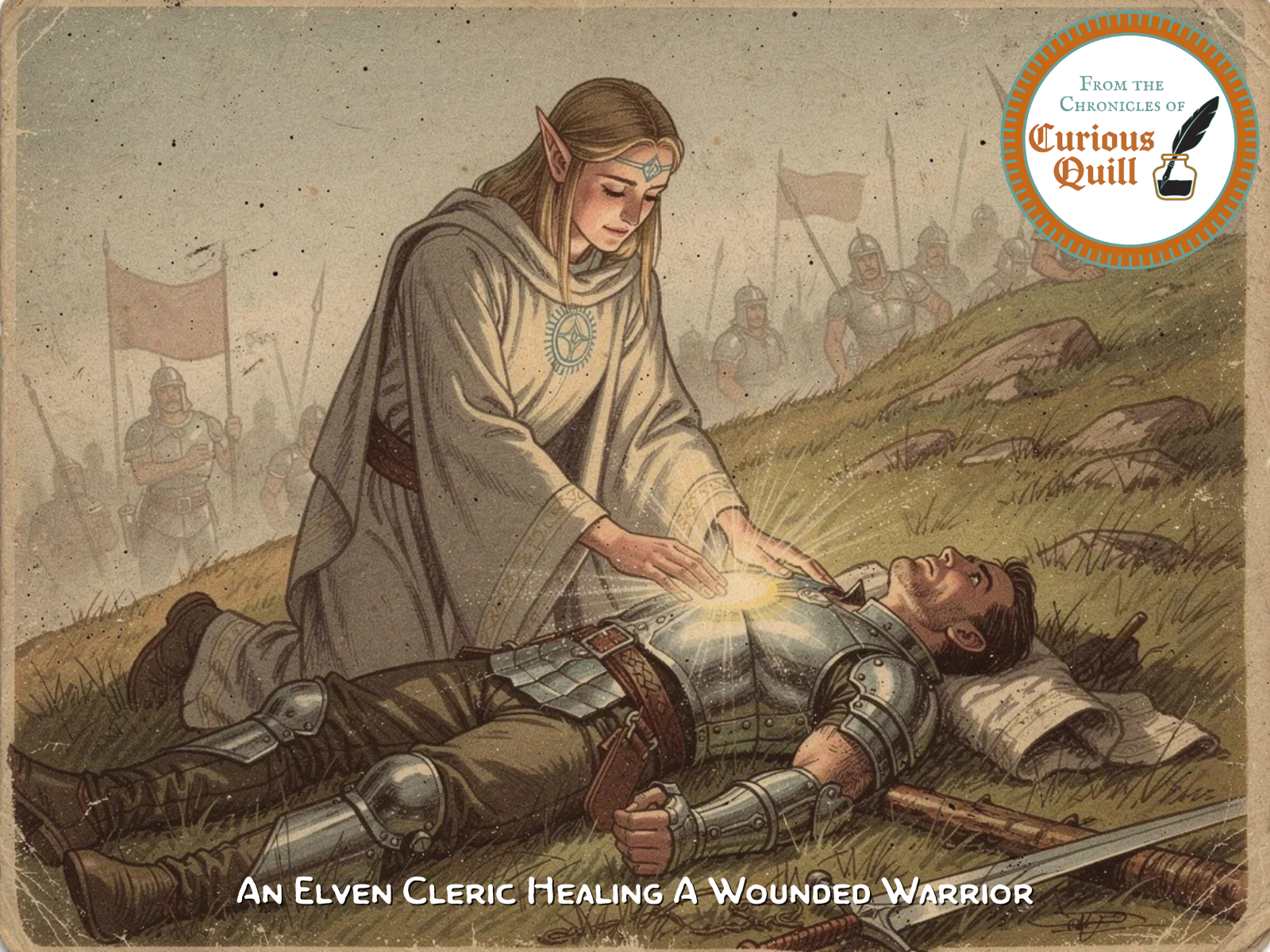
Class Theory: Cleric Concepts
In this feature we will explore what makes a character a Cleric with divine powers versus a regular priest or holy warrior.
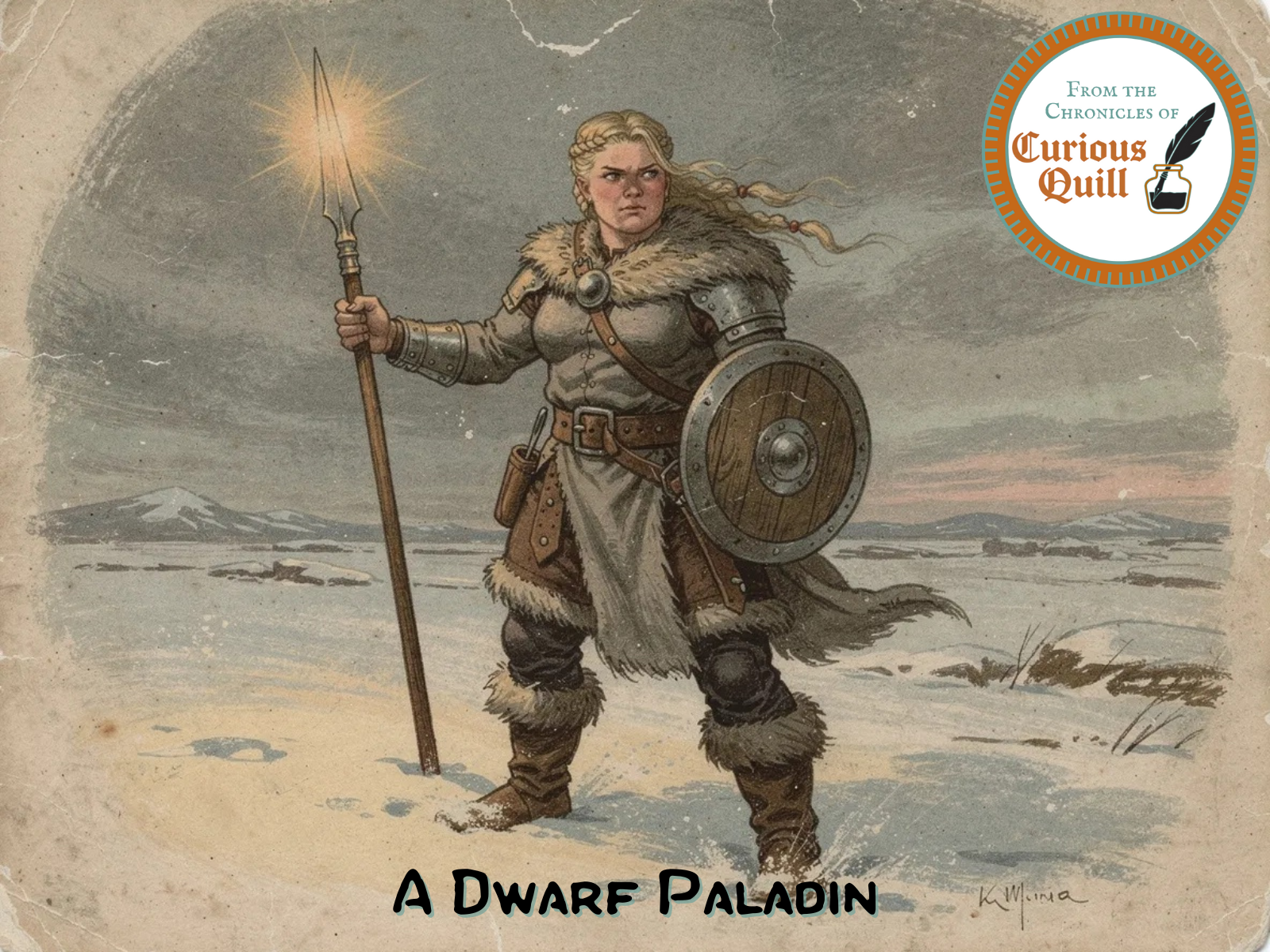
Class Theory: Paladin Concepts
In this feature we will explore what makes a paladin a paladin, not in features but by choice.
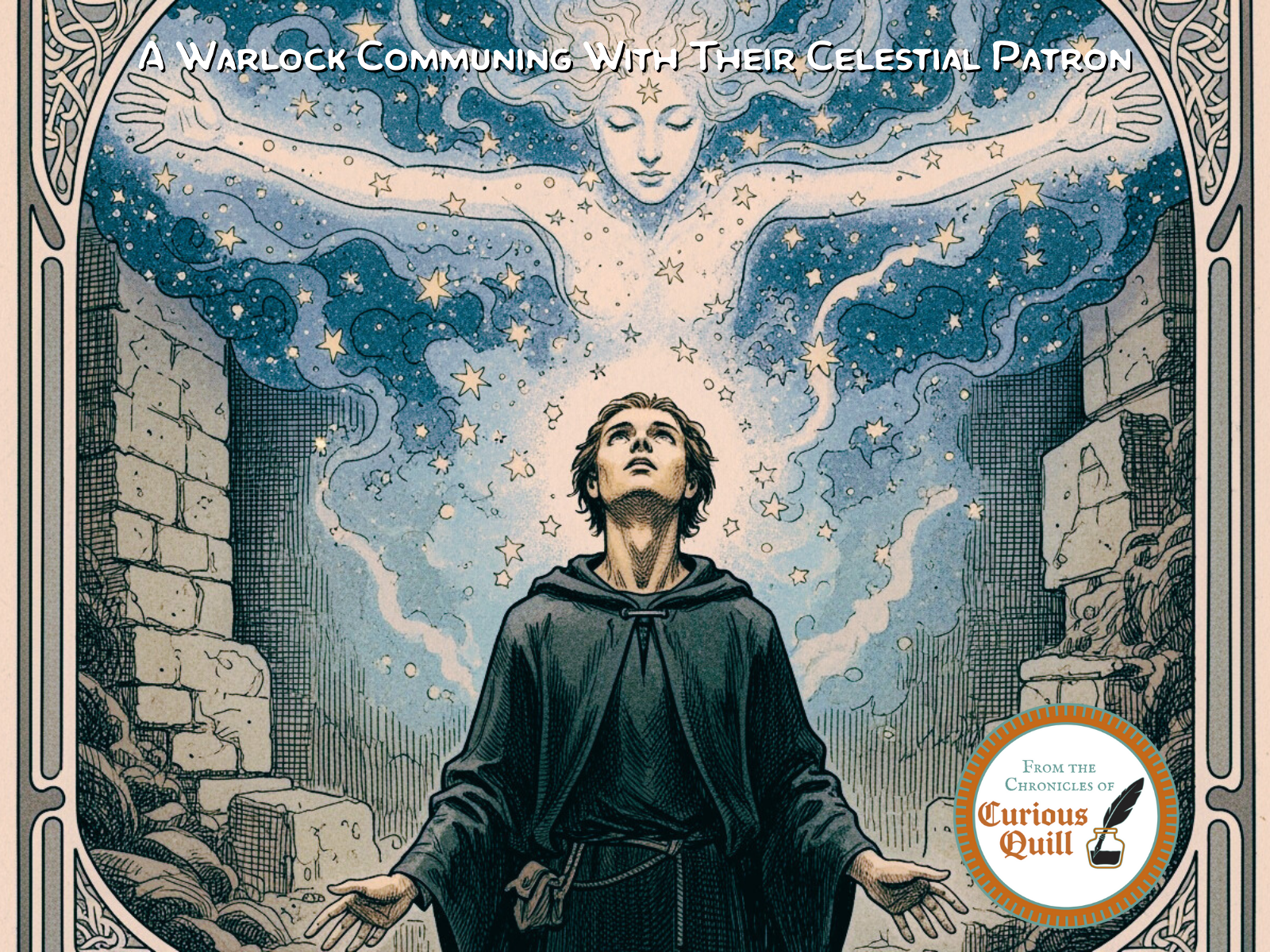
Class Theory: Warlock Concepts
In this feature we will explore why someone might make a pact with an extraplanar being in exchange for the power gained following the Warlock class.
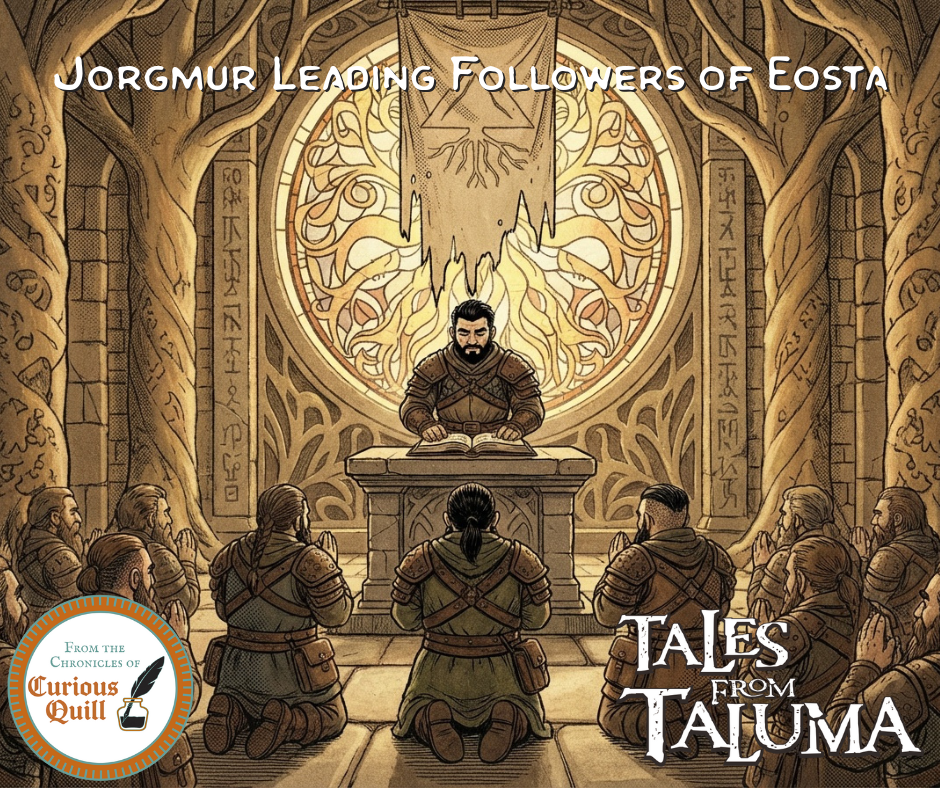
Followers & Inspiration
Followers, henchmen, hirelings… there have been different terms and different iterations of what they bring to the table to the player characters. In 5e24, the Bastion rules come closest to defining how characters might have people helping them.
Here we will explore ways that a DM can work out who, how many, people might follow the characters and what benefits—but also responsibilities—that can provide them.