Followers & Inspiration
Do heroes inspire others, or do they receive inspiration from followers? How can followers assist the adventurers? Would the heroes put their followers in danger for a little assistance? Does an adventurer even want, or have time to collect followers? The idea of heroes becoming inspiration to others, and possibly getting regular folk to join the heroes in their exploits has been a part of D&D since the beginning. Followers, henchmen, hirelings… there have been different terms and different iterations of what they bring to the table to the player characters. In 5e24, the Bastion rules come closest to defining how characters might have people helping them.
Here we will explore ways that a DM can work out who, how many, people might follow the characters and what benefits—but also responsibilities—that can create.
Should PCs Get Followers?
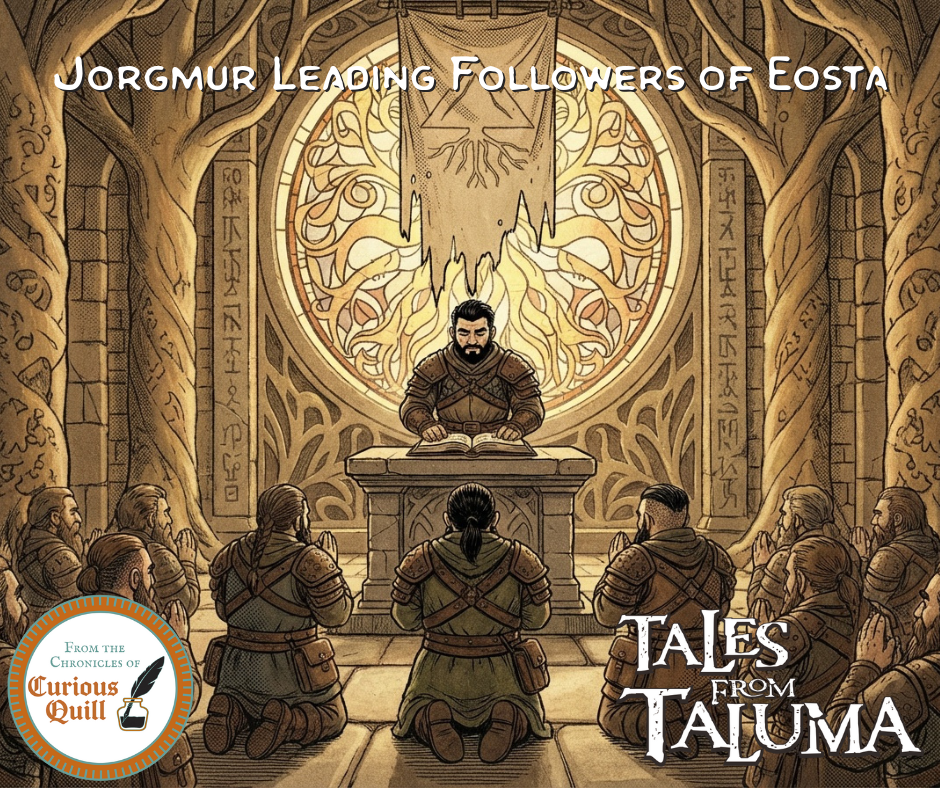
A player in a game I a currently running in this setting if Taluma is playing a cleric and asked me something like this: “How can I show that my character’s leadership is recruiting and inspiring new followers of his deity?”
It’s something I’ve been mulling about for weeks now, to no avail. Mainly because I keep coming back to the question of what does it matter, what would these people, do in game terms: what rules could I implement or homebrew to reflect it? I always come back to, well, nothing.
In my mind a group of defined followers, regardless of class, would just be something to track that wouldn’t impact any rolls or anything. Unlike the past, in earlier versions when players could receive or even hire followers, henchmen, and hirelings and take them on adventures, I don’t think players or DMs want to have to track and manage more characters - adding even one NPC to a party becomes a chore. And the idea of putting regular folk - low CR humanoids - in danger’s way for a minor aid at some point on a adventure seems careless with their lives.
But, outside of adventuring—going into battle or otherwise known dangers—they could provide assistance in more role-playing opportunities such as using contacts, mustering support, etc. The new Bastion system has ways to do something like this, but it is a few to a dozen or more people at a location, not a network (though you could represent their Bastion not as a place but as a spread out network of people and resources.) I thought more on it and still, it didn’t seem worth developing a new rules system to track a group of followers. But there are ways to represent the fact that they could have people who would help.
Plus, are the adventurers even around enough to lead people, actually organize and lead them? They likely are out adventuring too much to lead - although for some that might be the point, leading by example to get people to follow their philosophy. What responsibilities might they have to support their followers as their followers support them? What would be expected of characters leading organizations?
Who Gets Followers?
So which adventurers might get followers? Some classes might make more sense than others, and some character features might also help define or resolve this, but in the end they are adventurers, often heroes, and are bound to inspire some people to want to be like them, or espouse the same beliefs or traditions as them. Meanwhile, some cases might help say why a character would not get followers.
To start with: the obvious ones. Clerics and Druids, probably Paladins, as representatives of a deity would have followers of their faith or oath, if not personally. I would throw Warlocks in there as well—they might not follow a deity but they have a patron that likely has other followers and as the character rises in power they are likely to become an inspiration to others. While a cleric or paladin might lead a church or congregation, and druids eventually a circle; warlocks might lead a cult or sect.
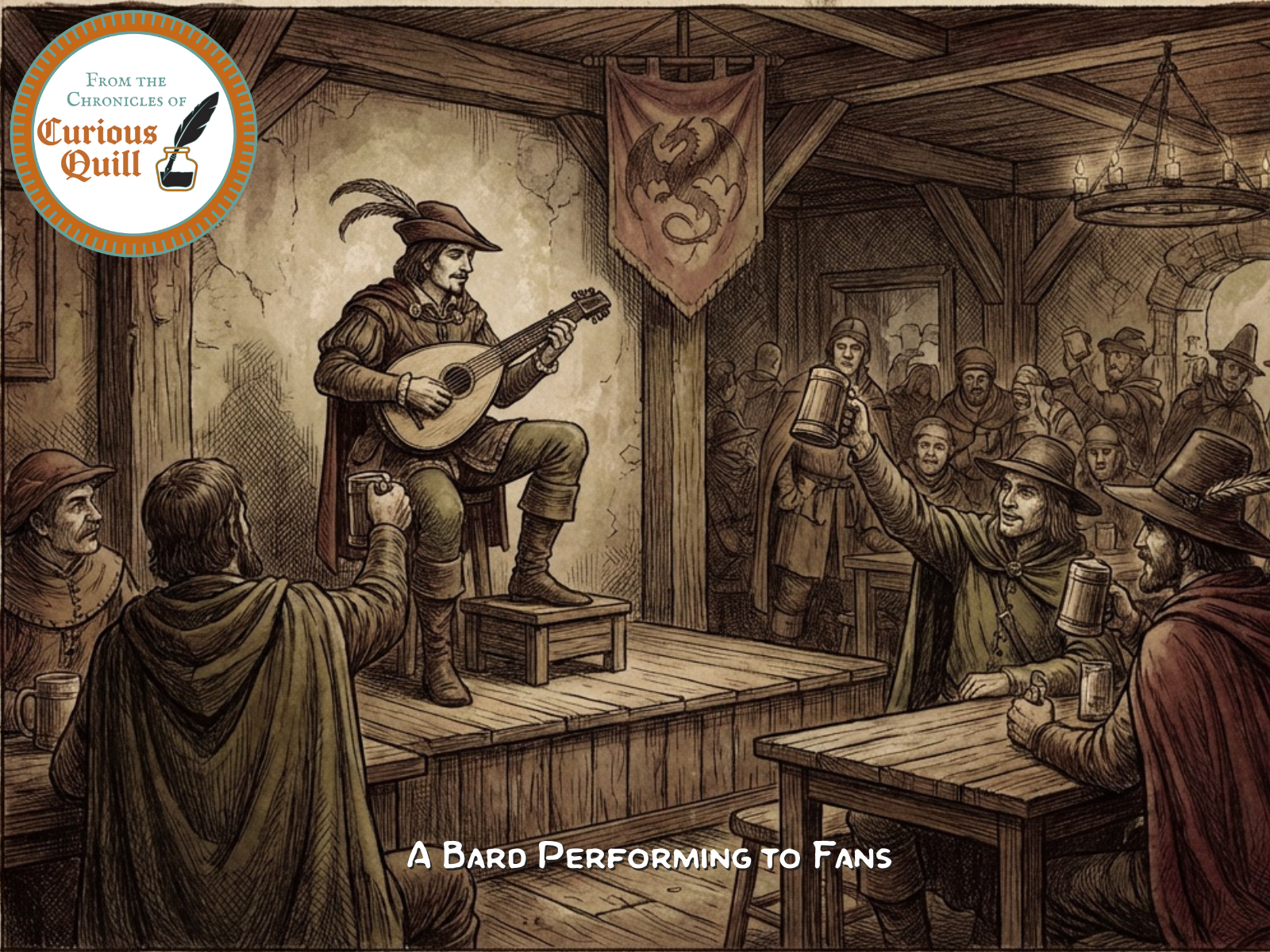
A warrior or barbarian could lead a unit of warriors, rangers a group of scouts or hunters, and of course thieves have gangs, guilds, or a network of spies or other groups. A Bard could form a band or other entertainment group, and wizards have orders and cabals. Really the one class that is primarily solo is the sorcerer: their power is innate and personal and might only organize by their bloodline.
Then there is Charisma. Characters with a good to high one are probably more likely to gather followers than a similar character with a low one. No matter how great their deeds are, if they aren’t personable people might appreciate them but not follow them.
Existing Inspiration Rules
There are a few existing rules besides Bastions and their hirelings that could be used to simulate the benefits that followers could provide a character.
These include:
Attitude
Help Action
Heroic Inspiration
Attitude
Attitude is a term, a rule, that can help determine how other characters or creatures will interact with the PCs. There are just three Attitudes: Friendly, Indifferent, and .Hostile. All NPCs deemed followers could always start at Friendly, and a PC could have advantage on Charisma checks to change the attitude of their followers: like moving from Indifferent to Friendly.
Help Action
Any character, player or non-player, can take the Help action to assist another character. A PC with one ore more followers could be considered to be being Helped and gain advantage on a Proficiency or other check.
Heroic Inspiration
A PC could be given a Heroic Inspiration point from their followers for doing something that shows their leadership of the group and their inspiration back to the character such as praying together, getting cheered on, or the afterglow of a great performance.
***
With those three ideas aside, I do have one original idea regarding primary class and subclass abilities after the break.
Class Abilities Reset
Inspiration is a two way street: look at professional sports. Who is inspired more, the fans by the players, or the players by the fans? The three rules interpretations above reflect that idea, but I have another idea.
One way to show that a player characters has received inspiration from their followers is to give back a use of Long Rest primary ability of the class. Each class has a feature that could make sense to get a free use (or uses) back if they are energized by their followers. In some cases a subclass ability might make more sense. Here are the primary examples:
Cleric and Paladin: Channel Divinity
Druid: Wild Shape (they should have renamed this in 5e24 to something more like Channel Divinity as its used for other things in subclasses)
Barbarian: Rage
Fighter: Action Surge
Monk: Focus Point
Ranger: Favored Enemy
Rogue…. Hmmm, the main class don;t really have a pool, this might be by subclass
Sorcerer: Innate Sorcery
Warlock: Magical Cunning
Wizard: Arcane Recovery
In the end its your game and up to you how to implement a way to show that characters—heroes—have started to gain support from other people. This support can be active or passive. These are just some tips to use existing character features to show the inspiration they give and get in return.