Class Theory: Paladin Concepts
Choosing a class typically is more about its capabilities: what will it allow the character to do? What role can it help you fill such as damage dealer, healer, controller, protector, etc. Is it martial or spell-based? And so on. But when building your character, theorycrafting on why the character, versus the player, followed that path can play a large role in creating an interesting back story. Their Background and Species selections can help towards this, and having an idea of the subclass path they will follow can give you the most clarity, but there still can be different reasons for different characters. Some classes are more straightforward, like a Fighter or Cleric, while some are more open-ended like a Paladin or Warlock. In these Class Theory features we will explore and present concepts to help illustrate the reason a character follows a class path.
In this feature we will explore what makes a paladin a paladin, not in features but by choice.
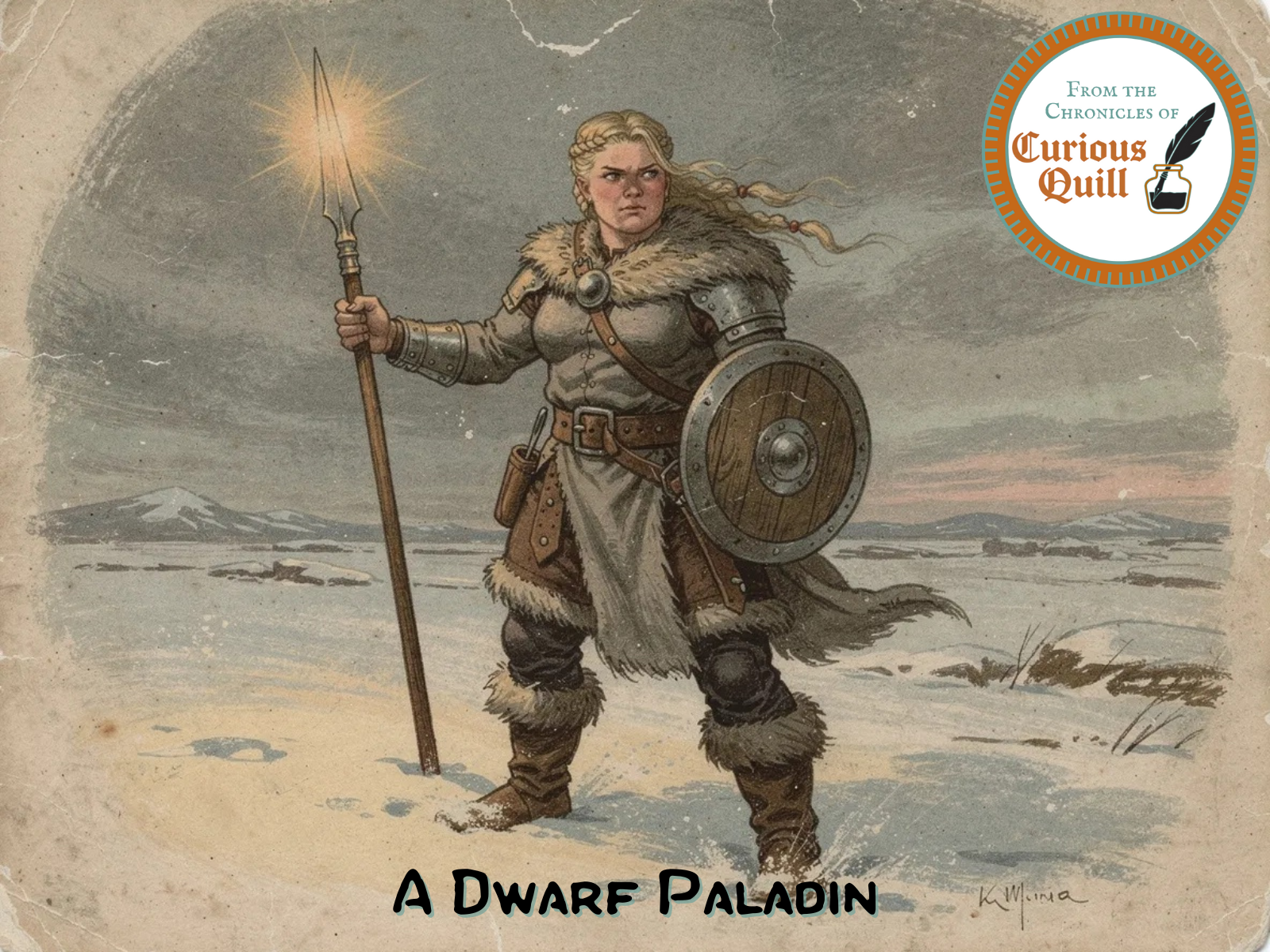
Paladins have a pretty specific fantasy to their class. Players pick them for the special abilities and features they get such as smiting and divine spells in addition to their martial skills. While it's easy to understand why a player chooses the class, why would their character follow this path? There are other similar classes such as Fighter, Cleric, and Ranger so why did they become a Paladin?
They are often pictured as a holy knight, and their Oaths certainly reinforce this image. But a fighter could be a knight as well without the divine magic, and a cleric could also be a holy warrior: especially one who follows the Protector Divine Order. Likewise, a Ranger can wield magic to enhance their attacks and other abilities. Even a Zealot Barbarian could be seen as a similar type of warrior. So why is the character specifically a Paladin?
The official brief description of the class provides a good framework: they “live on the front lines of the cosmic struggle, united by their oaths against the forces of annihilation.” The word oath is important to the class both in its concept and in practice. The Oath subclasses separate types of paladins from each other in features, but also in philosophy and action. The tenets of each Oath prescribe the ways the character promises to act in their duties and daily life.
Oath Questions
Traditionally, Paladins were holy warriors, similar to a Cleric typically devoted to a deity or at least a faith if not one specific deity. That is no longer required, so the reason they followed the path can be more open ended.
Who?
Perhaps first and foremost to answer is who they swore the oath to. This can help kick start the rest of the decisions. This can be an individual or an organization, even to themselves.
Religion - Though its no longer a requirement, it certainly still can be a deity or a faith. This is perhaps the most common and simplest answer. They had a calling to serve their faith in a
Organization -There could be another organization that is not primarily religious that they are a member of: an order of knights, a secret organization of evil hunters, a government, or a resistance movement.
Loved One - Love is perhaps the most powerful emotion, and using it as the basis for the tenets of an oath is certainly possible. This could be to a living or dead loved one.
Self - There is no reason someone can’t swear an oath to themself.
The who need not be publicly known. Though the words of the oath may be spoken in a religious rite, in their heart the paladin could be swearing to themself. This may seem disingenuous, but an oath sworn is still a promise made to be kept.
Why?
This is really the motive for why they have devoted their life to the cause, the intent, of their oath.
Adoration - the paladin swears the oath out of love for an individual: a mortal or a divinity.
Advocacy - the paladin seeks to represent a cause: a religion or a social cause.
Power - the paladin seeks power for Who they swear the oath to.
Retribution - the paladin wants to right wrongs made against an individual or group.
Tradition - the paladin is following in the footsteps of others before them.
Within each of the Who examples there can be different Why reasons, some of them may seem obvious matches but they don’t need to be. For example, swearing an oath to a religion would seem to be due to faith, but maybe it's just tradition: their family has sworn the oath for generations. A paladin may swear an oath to a living loved one out of adoration, or a deceased one in retribution for their loss.