
Welcome to Curious Quill, an original content resource for fantasy roleplaying.
Announcing a change in direction: supporting Dragonbane. I am Moving On from 5e as my primary focus. Most of what is here is designed to be used in any system, but a lot has focused on 5e. For a time at least, I will be adapting my work to Dragonbane. I hope you join me in my journey, and if you play 5e yourself, remember that there is a plethora of info already here, and new stuff will be easily adaptable. So don’t go anywhere.
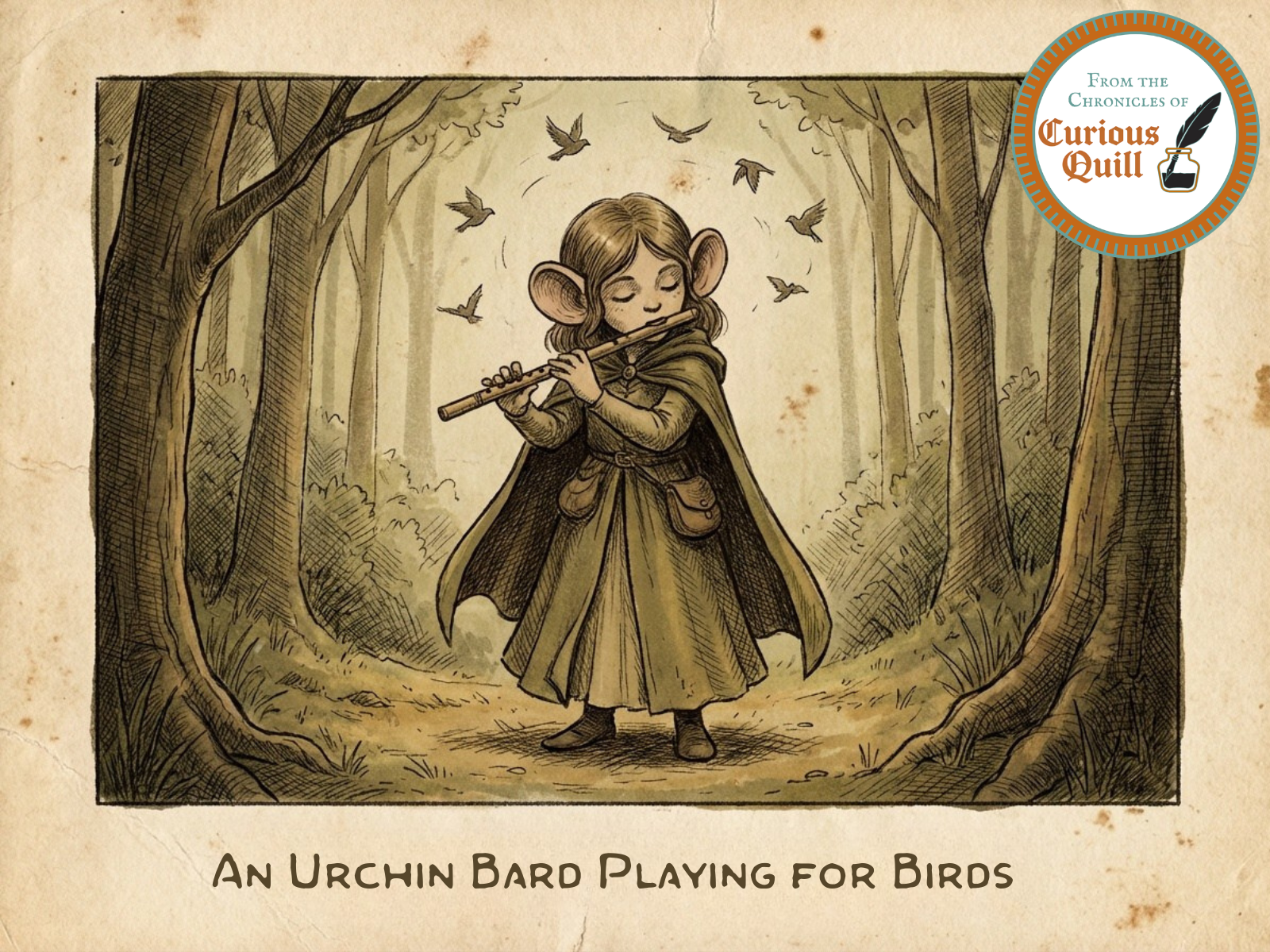
Class Theory: Bard Concepts
In this feature we will explore how Bards are more than just musicians or entertainers, able to create magic from their art.
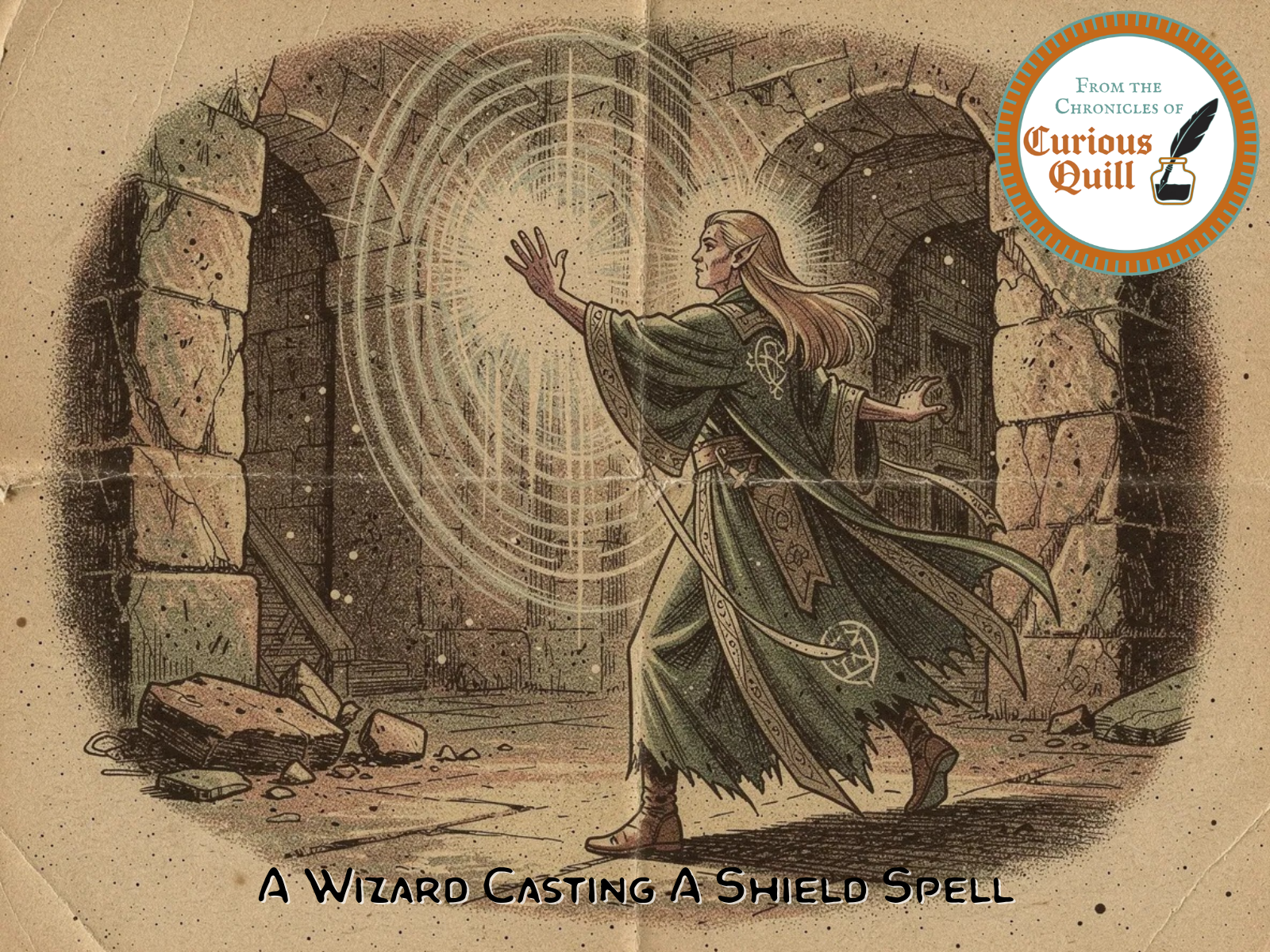
Class Theory: Wizard Concepts
In this feature we will explore where Wizards might learn their craft: arcane spellcasting.
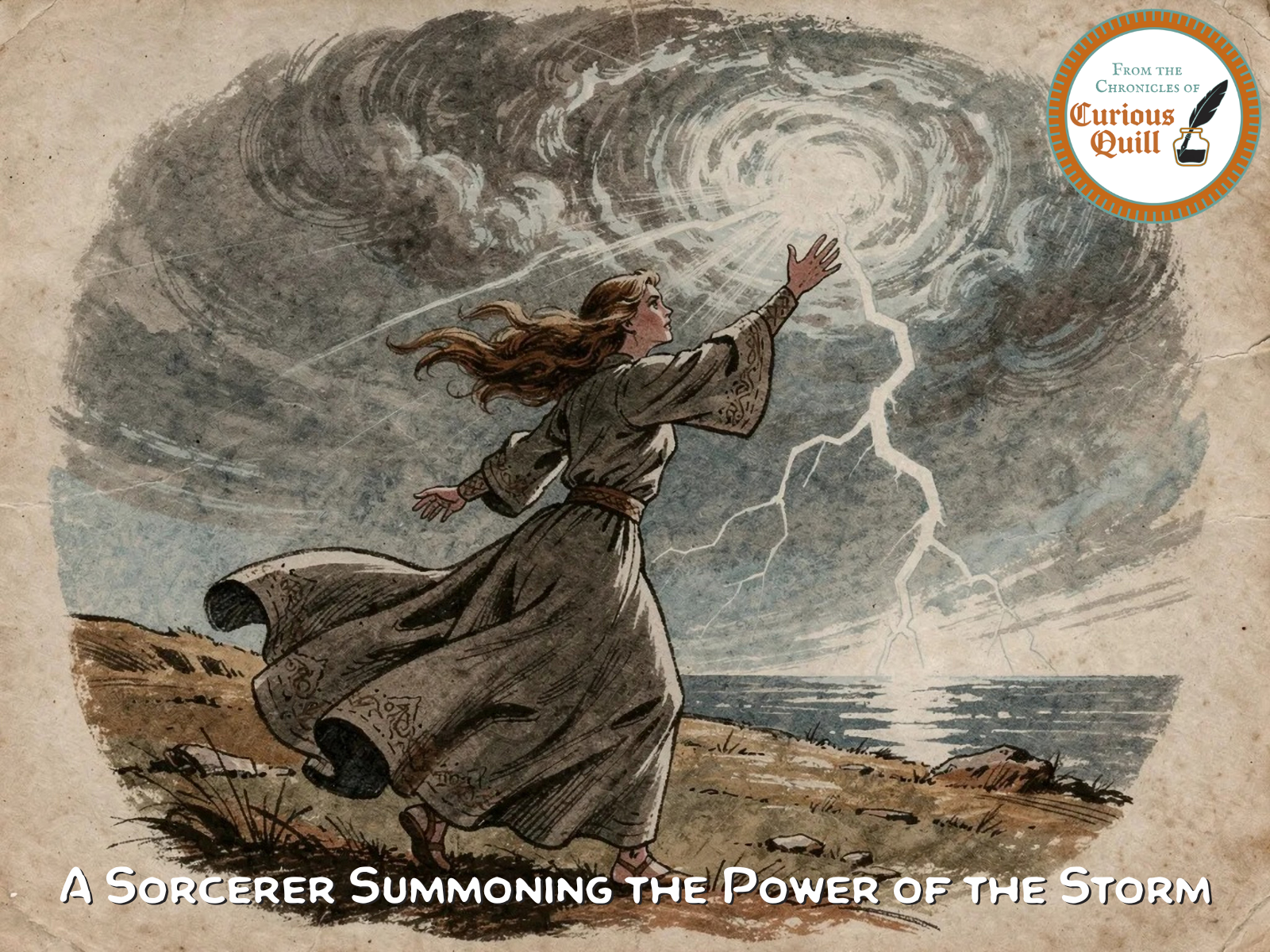
Class Theory: Sorcerer Concepts
In this feature we will explore where Sorcerers inherit their innate magical powers.
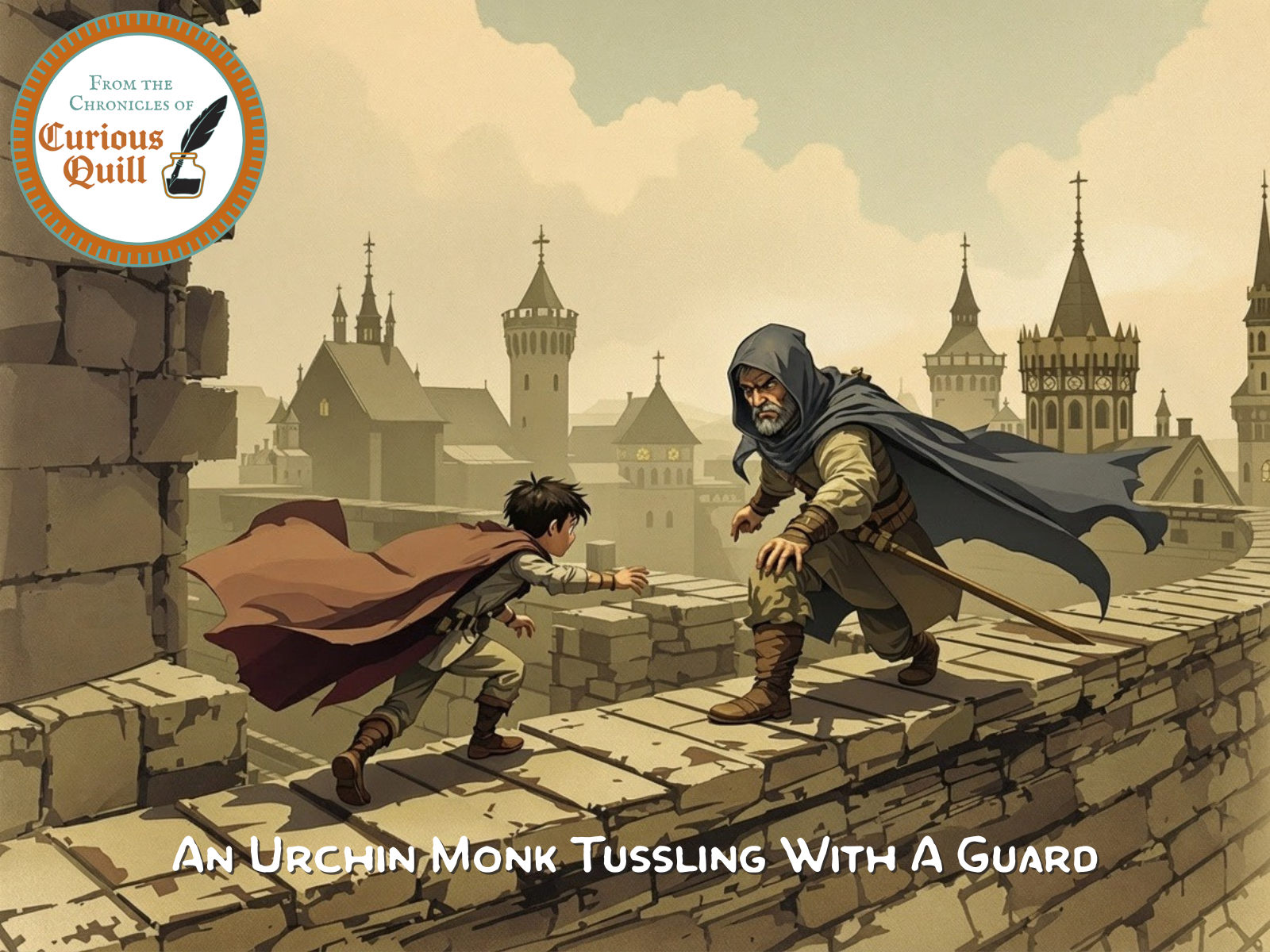
Class Theory: Monk Concepts
In this feature we will explore what separates a heroic Monk character from your average unarmed combatant or even trained martial artist.
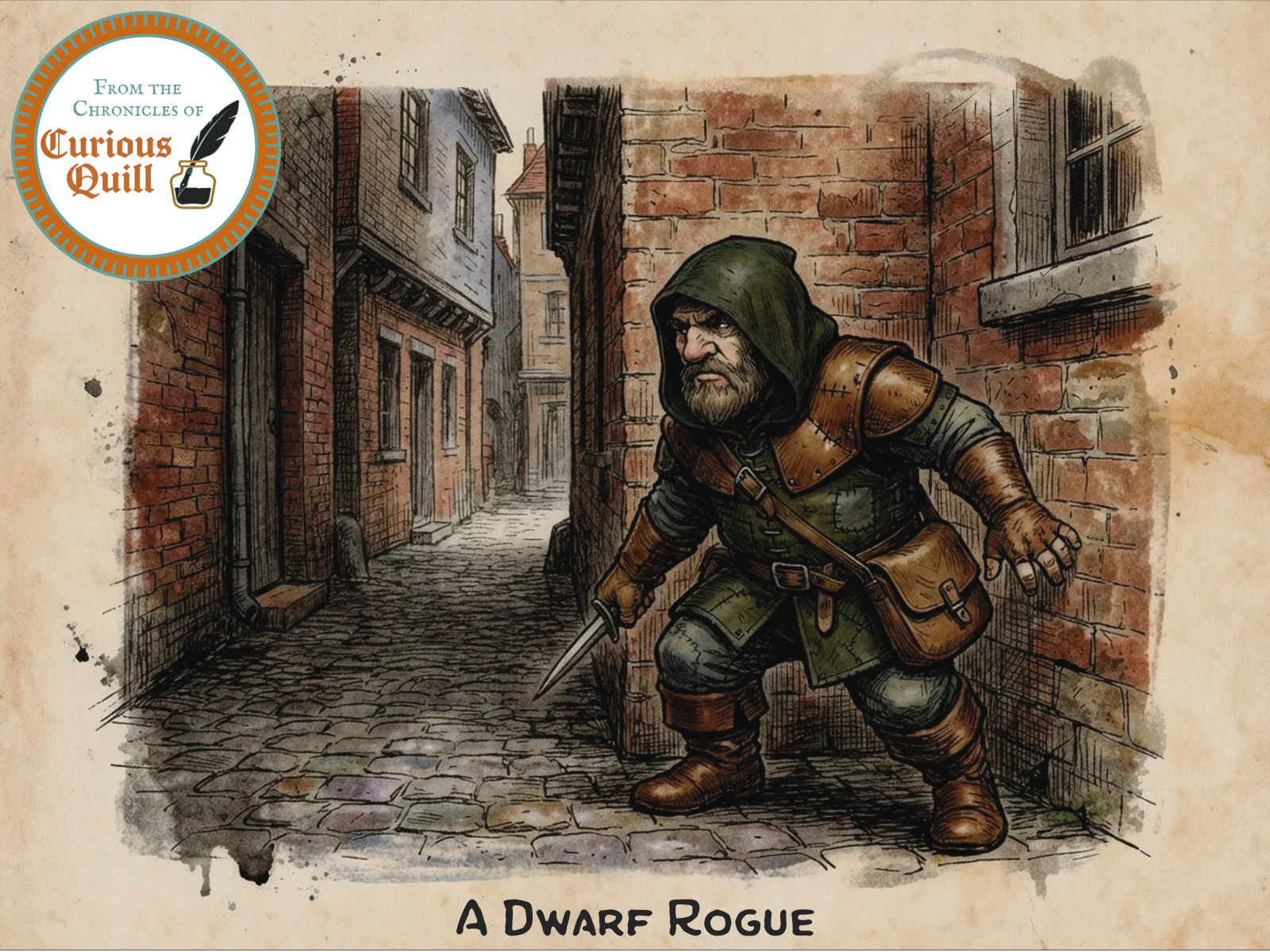
Class Theory: Rogue Concepts
In this feature we will explore what separates a Rogue class character from a common thief or other skilled and stealthy individual.
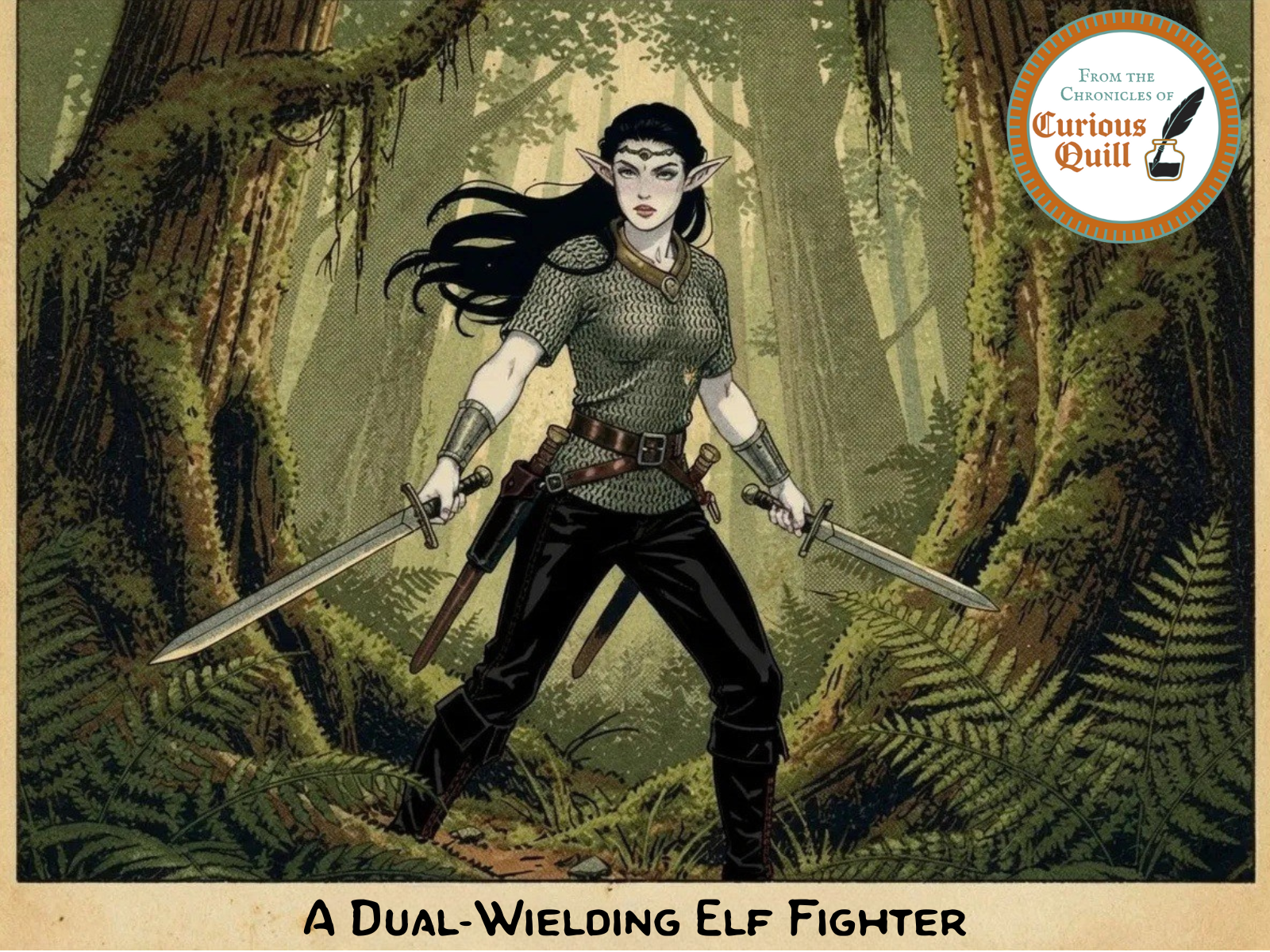
Class Theory: Fighter Concepts
In this feature we will explore what separates a leveled Fighter from a common warrior.
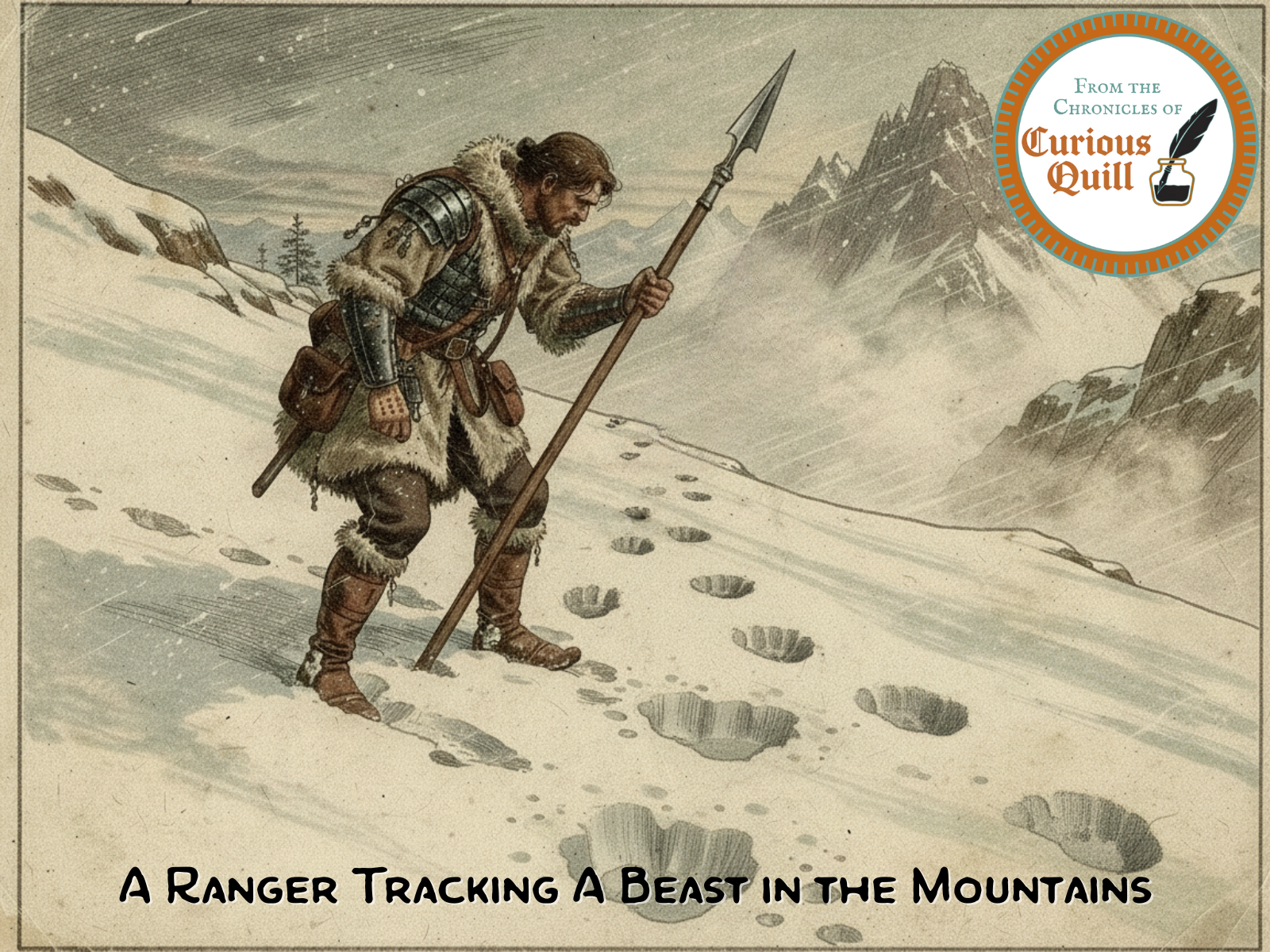
Class Theory: Ranger Concepts
In this feature we will explore what gives the Ranger their primal powers including spells and other class features.
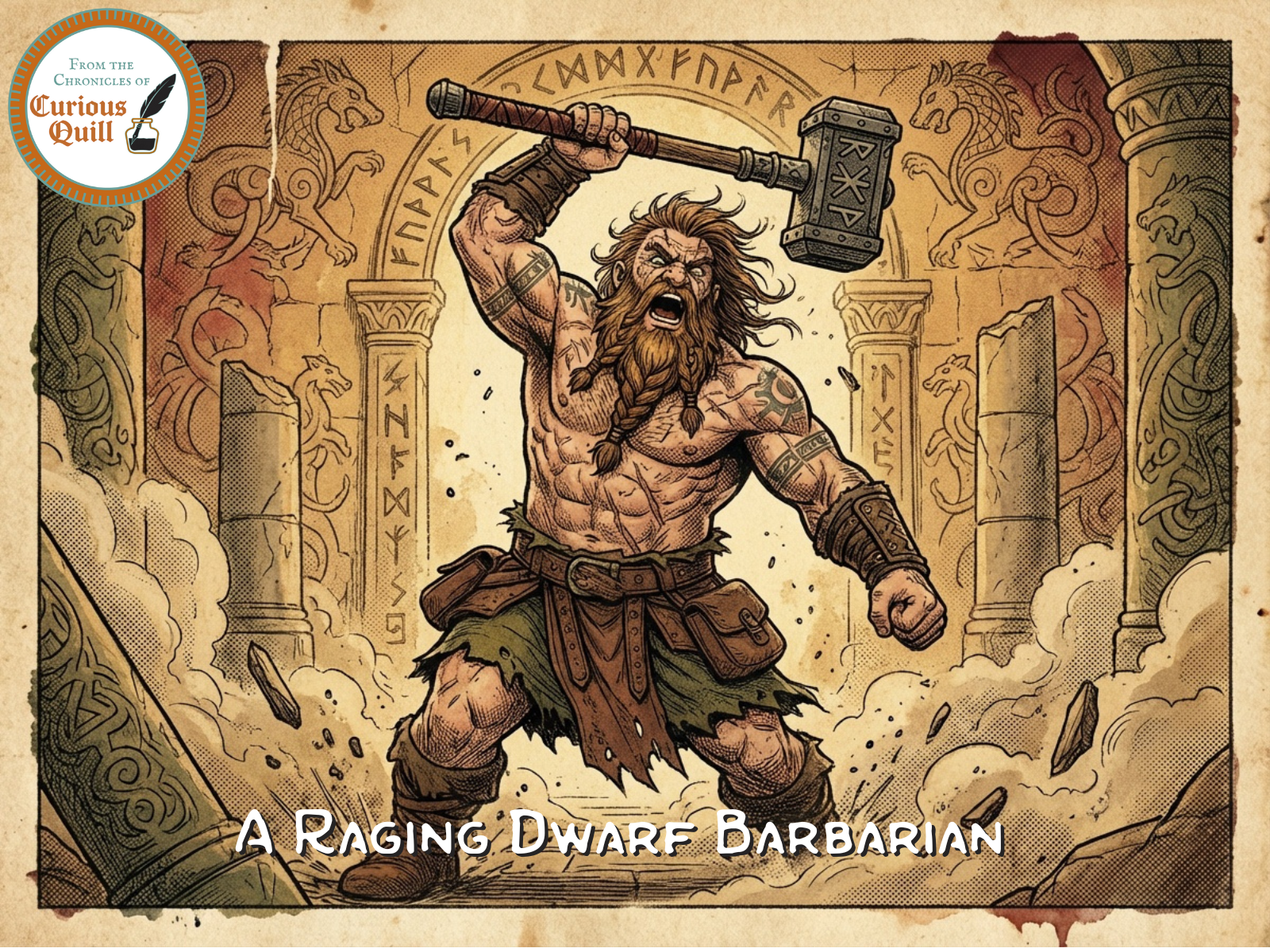
Class Theory: Barbarian Concepts
In this feature we will explore what gives the Barbarian primal powered rage versus just being a frenzied warrior.
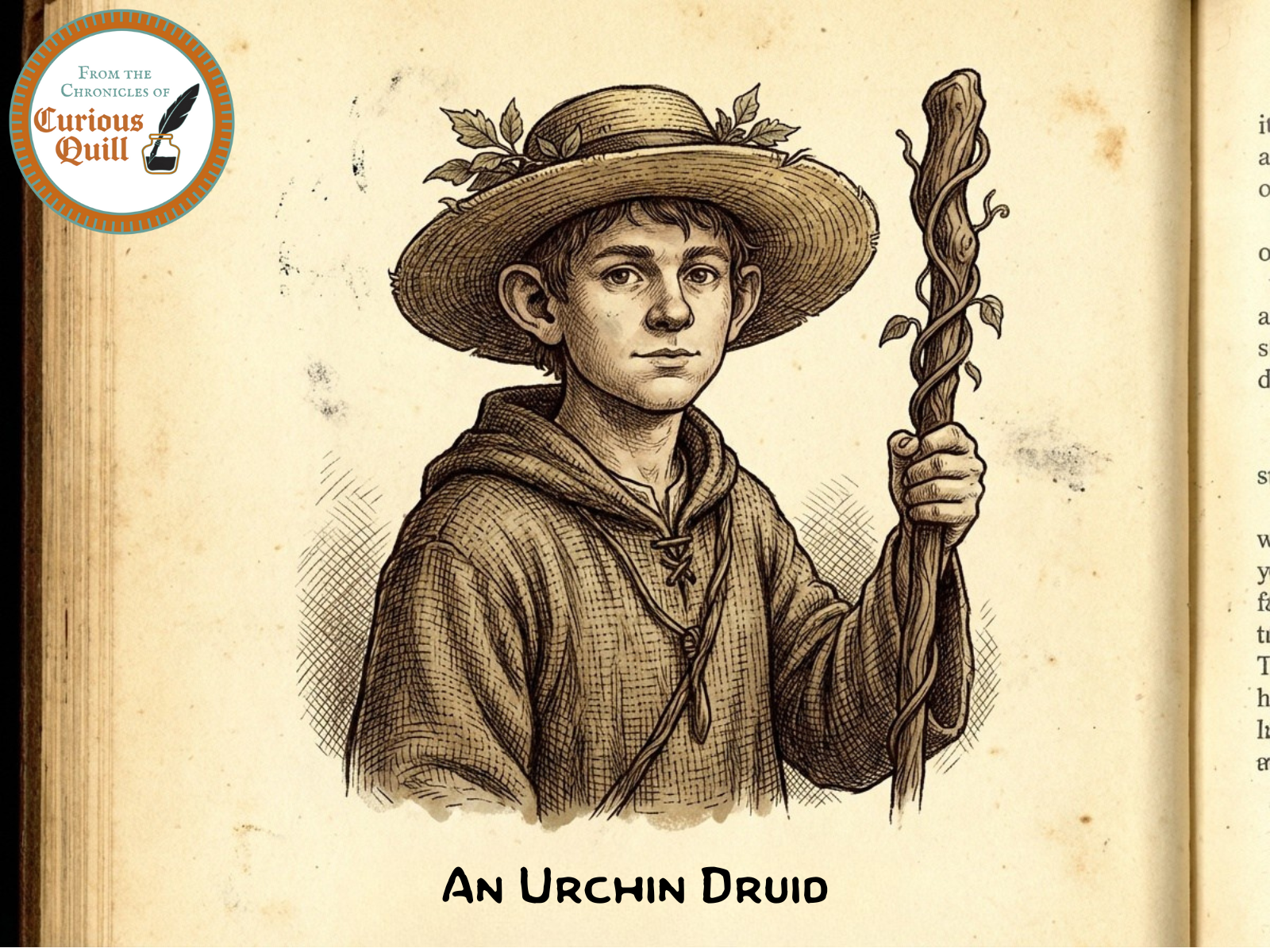
Class Theory: Druid Concepts
In this feature we will explore why a character might gain the ability to call on the mystical, primal forces of nature.